Ace Hotel taught us that a lobby can be a
living room — that a stranger reading at a long table is not a
nuisance but the point. We borrow the layered textiles, the working
bar, the secondhand warmth, the materials chosen for how they age
rather than how they photograph on opening day.
Wear is welcome here. Brass will tarnish; oak will darken; linen will
soften. The building is meant to look better in 2074 than it does
today.
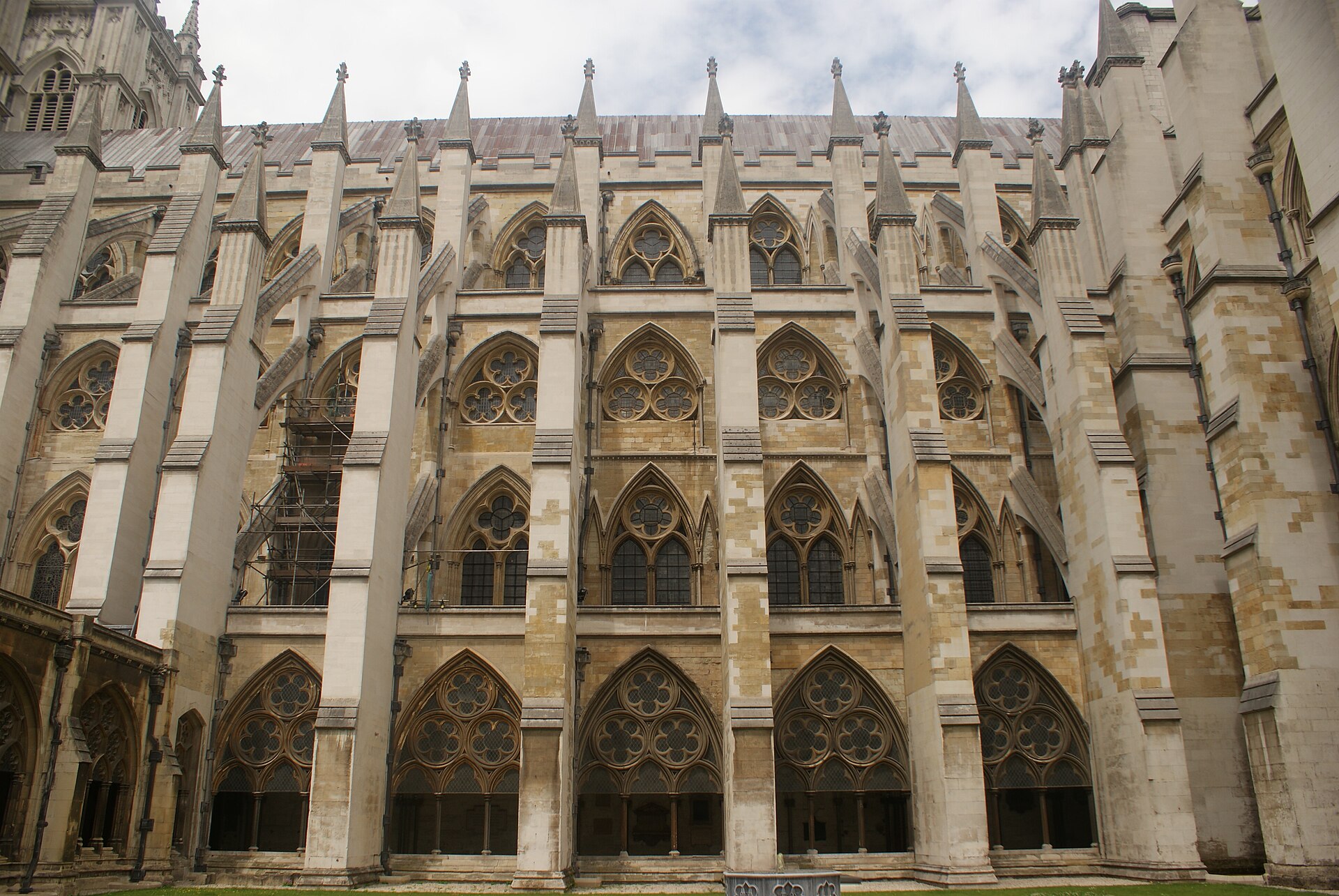
The Catholic church taught us proportion.
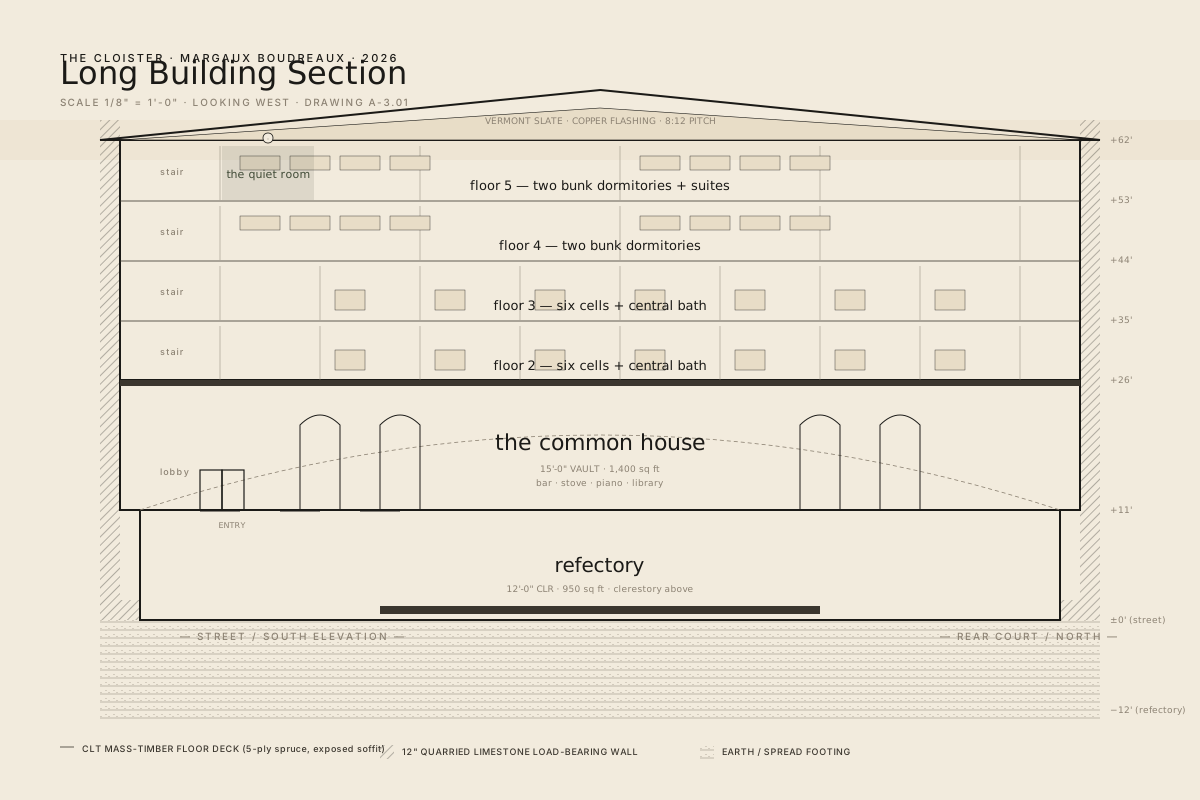
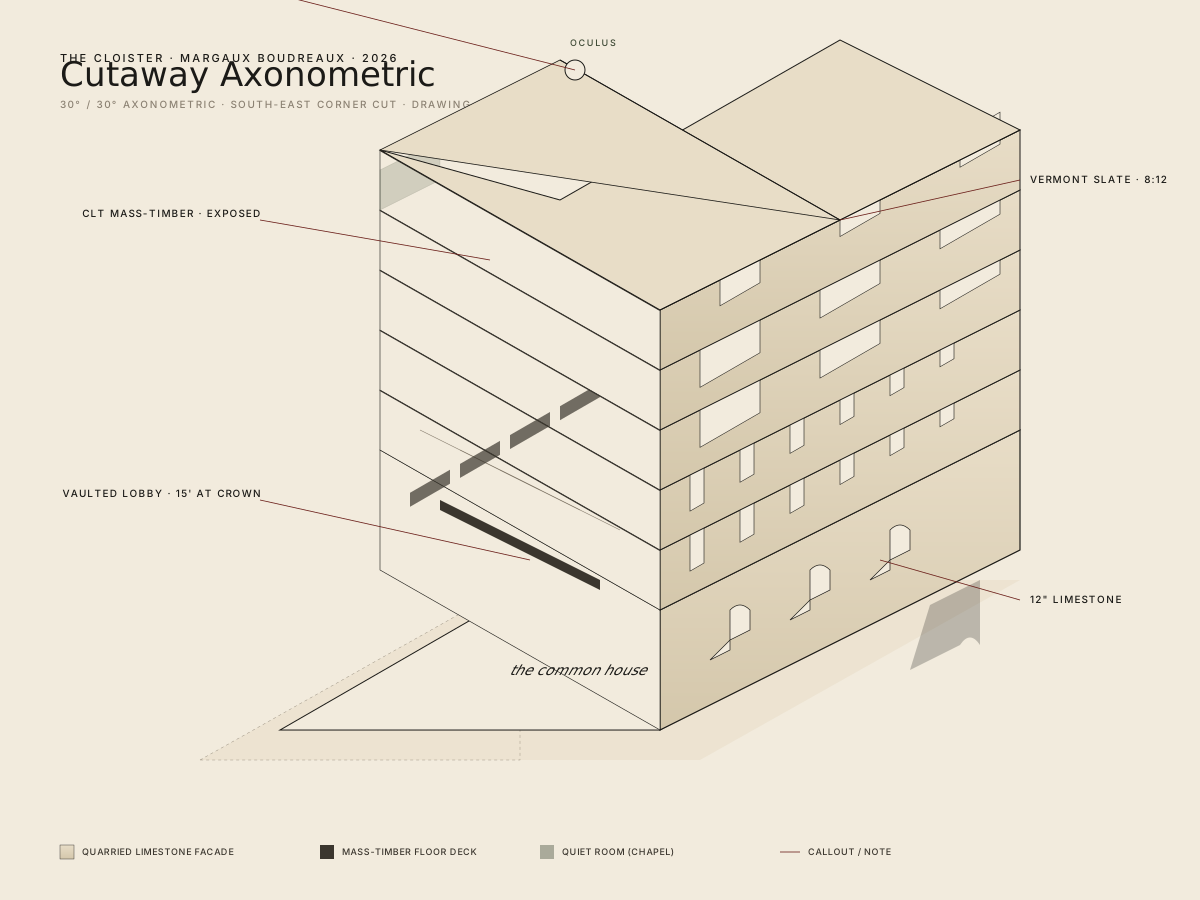
Load-bearing masonry, vaulted ceilings, axial symmetry, lime-washed
walls, oak pews, brass fittings, candle-grade lighting. A quiet room
with no programmed function — what we call the Chapel — is
the most expensive square footage in the building, and the least
negotiable.
A church is built to outlast its parishioners. So is this.
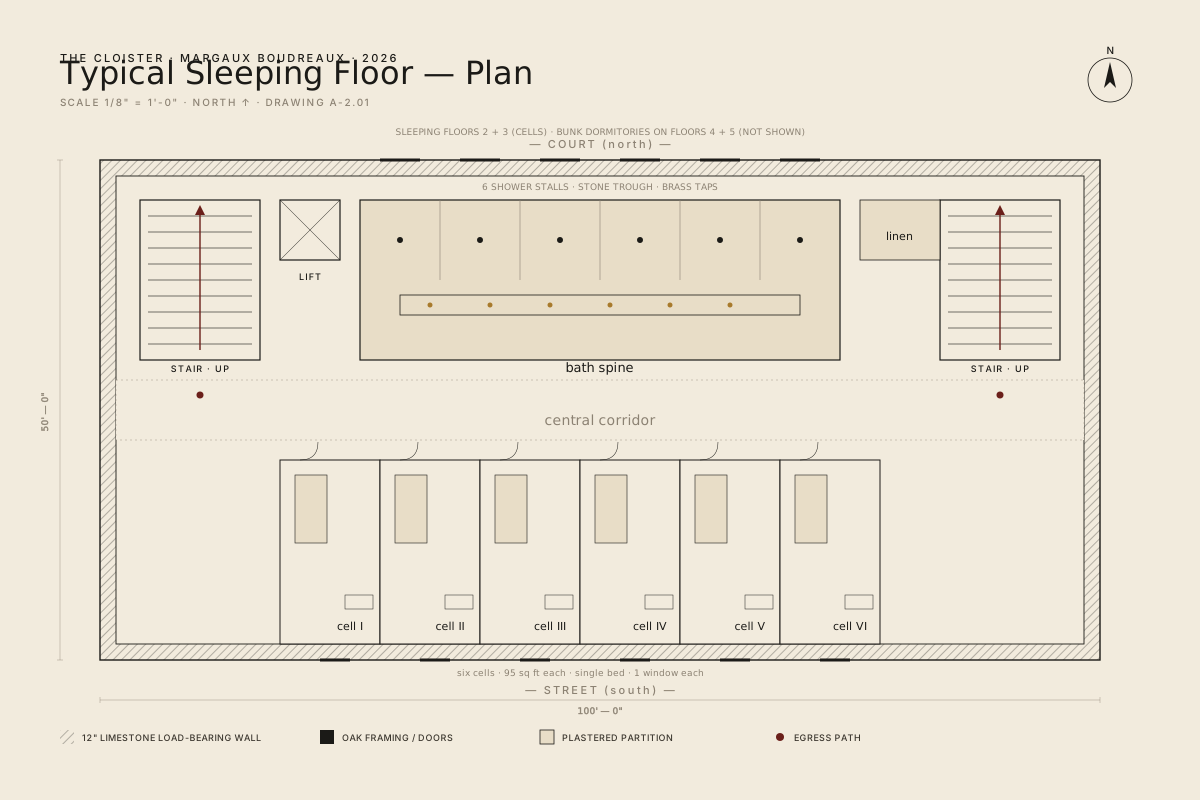
The hostel taught us economy. Shared sleep,
shared cooking, shared washing. A communal table long enough to seat
twelve strangers. A bed for the price of a decent dinner — fifty-five
to seventy-five dollars a night — without apologizing for either the
bed or the price.
The young traveler is the client. The next century is the deadline.